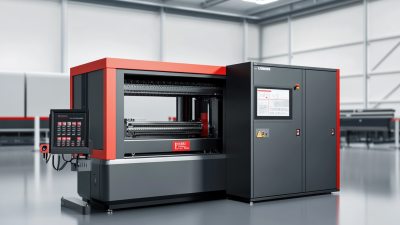
Why Choose a Silicone Dispensing Machine?
Why Choose a Silicone Dispensing Machine? The answer begins with control, consistency, and measurable production demands. Silicone materials often require precise ratios, stable flow, and clean application. Manual dispensing can create uneven beads, trapped air, and material waste. A Silicone Dispensing Machine helps regulate these variables during sealing, bonding, coating, and potting processes.
The market evidence is also significant. Fortune Business Insights valued the global silicone market at approximately USD 20.19 billion in 2023. Its report projects growth to about USD 31.30 billion by 2030. This expansion reflects wider silicone use in electronics, automotive components, medical devices, and renewable energy systems. Meanwhile, the International Federation of Robotics reported 4.28 million industrial robots operating worldwide in 2023. Automation is no longer limited to large factories. Smaller manufacturers increasingly need repeatable processes and documented quality.
The practical benefits are easy to observe. A calibrated system can place a narrow bead along a phone housing or fill a connector cavity without overflowing. It can also reduce operator fatigue and improve material utilization. However, the machine is not a magic solution. Poor viscosity control, incorrect curing conditions, or weak maintenance can still produce defective parts. This point deserves attention. Equipment selection should match silicone chemistry, output volume, dispensing accuracy, and integration requirements. A reliable decision combines supplier experience, process testing, and verifiable performance data. The best choice is not always the most automated model. It is the system that delivers stable results on the actual production line.
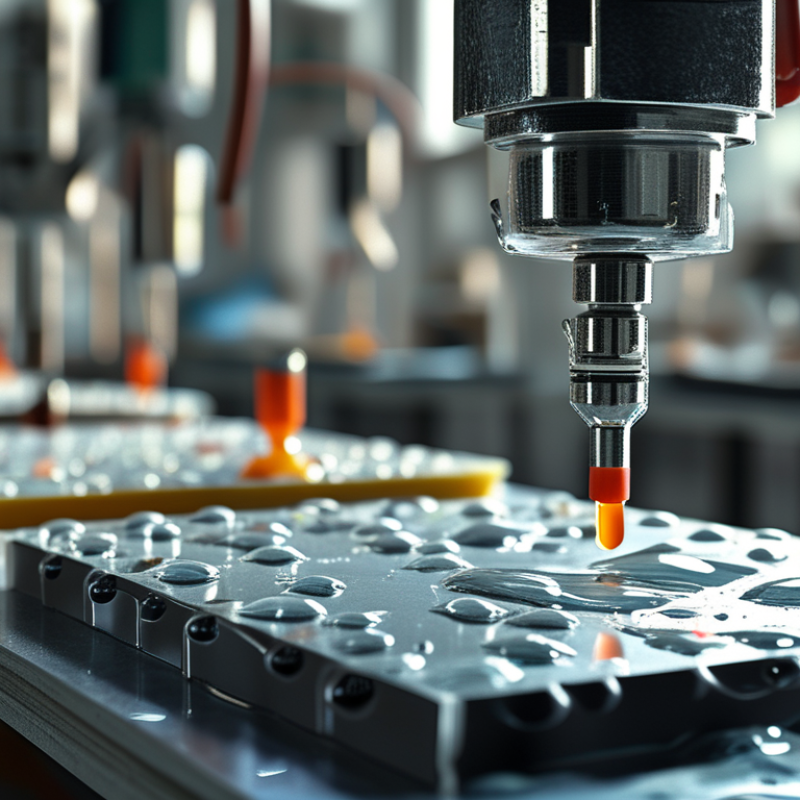
What Is a Silicone Dispensing Machine?
A silicone dispensing machine is equipment that measures and applies silicone in controlled amounts. It replaces repeated hand dispensing with a regulated process. Most systems include material tanks, pumps, valves, controllers, and a dispensing nozzle. Two-component models also use a mixing unit to combine silicone and curing agent. The mixed material then forms a bead, dot, or filled area. Less guesswork.
In production, an operator can adjust pressure, flow rate, dispensing speed, and shot size. A foot pedal or programmed controller may trigger each application. For example, the machine can place a 3-millimeter bead around a housing edge. Sensors may monitor pressure and material levels during operation. These controls improve consistency between parts. However, settings require practical testing. Silicone viscosity can change with temperature, and a setting suitable at 20°C may behave differently in a cooler workshop. Technicians should check sample weights, bead shape, adhesion, and curing time.
A silicone dispensing machine is not merely a pump with software. Its performance depends on nozzle selection, material ratio, air removal, and surface preparation. A reliable setup includes regular calibration and careful cleaning after production. Small errors matter. An incorrect mixing ratio can leave silicone soft, brittle, or poorly bonded. Automation cannot repair contaminated surfaces or unsuitable materials. This limitation is easy to overlook. Practical experience, supplier specifications, and documented process checks remain important when choosing and operating the equipment.
How Silicone Dispensing Machines Work
Why Choose a Silicone Dispensing Machine?
How Silicone Dispensing Machines Work
A silicone dispensing machine uses controlled pressure to move material from a sealed container to a precision nozzle. The system may use a piston, progressive cavity pump, or dual-cartridge design. Sensors monitor pressure, flow, and position during application. This helps create consistent beads on glass, electronics, lighting parts, and automotive components.
The process starts with material preparation. Silicone must be mixed, de-aired, and kept within its recommended temperature range. A metering unit then delivers the correct ratio, especially for two-component silicone. The nozzle follows a programmed path, while a controller adjusts speed and volume. According to Grand View Research’s 2024 silicone sealants report, the global market is expected to grow steadily through 2030. That growth increases pressure for cleaner and more repeatable application.
Small errors still matter. A worn nozzle can change bead width within minutes. Poor calibration may cause gaps, overflow, or trapped air. Industry 4.0 data also supports tighter process control. Deloitte’s 2023 Smart Manufacturing Survey found that 86% of manufacturing leaders viewed smart production as important for competitiveness. In practical use, operators should record pressure, temperature, curing time, and material batch data. Automatic systems reduce waste, but they do not remove judgment. Sometimes, a slower bead is the better bead.
Key Benefits of Automated Silicone Dispensing
In production environments, automated silicone dispensing turns a variable hand task into a controlled process. A machine can deliver measured beads, dots, or seals with consistent pressure and speed. This matters when an enclosure needs a continuous gasket around sharp corners. Operators spend less time squeezing cartridges and more time checking fit, cure, and surface cleanliness. Repeatable dispensing also reduces material waste, especially with expensive two-part silicone. From practical trials, stable temperature and viscosity often improve results more than faster motion. Shorter cycle times help, but accuracy should lead. Automation is not magic. A poorly calibrated valve can repeat the same mistake hundreds of times.
Key benefits extend to quality control and workplace consistency.
Programmable paths make the application easier to document across shifts, while sensors can flag missing beads or pressure changes. This supports traceability without relying only on handwritten notes. Controlled dispensing may also reduce operator contact with uncured material and limit unnecessary cleanup.
However, the machine still needs trained users. Nozzle selection, mixing ratio, purge timing, and substrate preparation can change bond strength. I have seen clean-looking beads fail because the surface carried oil or moisture. Regular calibration and simple inspection samples provide useful evidence before full production begins. The process becomes more dependable when staff adjust settings thoughtfully, rather than trust fixed recipes blindly.
Factors to Consider When Choosing a Machine
Why Choose a Silicone Dispensing Machine?
Factors to Consider When Choosing a Machine
Choosing a silicone dispensing machine starts with the material, not the machine’s appearance. Silicone may be thick, temperature-sensitive, or filled with additives. Ask whether the system can maintain stable pressure during long production runs. A short trial with your actual silicone is essential. Laboratory data alone may not predict factory behavior.
Accuracy matters when applying small beads around housings, lenses, or seals. Check repeatability, flow control, nozzle movement, and curing conditions. A machine should place consistent lines without stringing, bubbles, or uneven edges. Consider the required speed, but do not sacrifice precision for impressive cycle times. Faster is not always better.
Maintenance also deserves attention. Inspect how easily operators can replace cartridges, clean valves, and remove cured residue. Clear controls reduce training errors. Safety guards, emergency stops, and documented operating procedures support reliable use. Calculate the full cost, including consumables, downtime, calibration, and service. A cheaper unit may become expensive after six months. It happens. Review sample parts from a real production environment, record defects, and question any performance claim that lacks measurable test conditions. Worker feedback can reveal awkward access points or cleaning tasks that specifications ignore.
Common Industrial Applications and Suitable Materials
Why Choose a Silicone Dispensing Machine?
A silicone dispensing machine improves control in repetitive industrial assembly. It delivers measured material beads, dots, or seals with consistent pressure. This matters when hand application creates uneven edges, air gaps, or material waste. In production trials, operators can adjust flow rate, nozzle size, and dispensing speed for different designs. The first trial may fail. Silicone reacts differently across temperatures, mixing ratios, and curing conditions.
Common applications include sealing electronic housings, bonding LED components, protecting sensors, and assembling automotive parts. It also supports gasket formation, cable sealing, and waterproof enclosure production. In medical equipment manufacturing, controlled dispensing can serve approved, non-implantable components when the material and process meet relevant quality requirements. A clean work area remains essential. Dust on a surface can weaken adhesion.
Suitable materials depend on the machine configuration. Single-component RTV silicone is practical for ready-to-use sealing tasks. Two-component silicone suits applications requiring controlled mixing and curing. Low-viscosity silicone can fill narrow gaps, while higher-viscosity grades create stable beads on vertical surfaces. Some thermally conductive silicone materials help transfer heat from electronic components. Material data sheets should confirm viscosity, cure time, hardness, and substrate compatibility before production.
Experienced technicians usually test a small sample first. They inspect bead width, bonding strength, and curing uniformity. This simple step prevents expensive rework. Automation reduces variation, but it cannot correct poor surface preparation or incorrect material selection. The machine is only part of the process.
Why Choose a Silicone Dispensing Machine?
Silicone dispensing machines provide consistent bead size, accurate volume control, and repeatable placement for automated industrial assembly. The chart shows representative viscosity midpoints commonly encountered in silicone dispensing applications; actual values vary by formulation and supplier.
Higher-viscosity materials, such as thermal interface compounds and gasketing silicones, benefit from controlled pressure, progressive cavity, or auger-based dispensing systems. Lower-viscosity encapsulants and potting silicones are generally suitable for time-pressure or metering systems.