Top Tractor Truck Features Every Buyer Should Know?
When purchasing a Tractor Truck, understanding its features is crucial. The right truck can greatly impact efficiency and profitability. Many buyers overlook vital aspects, which can lead to regrets later.
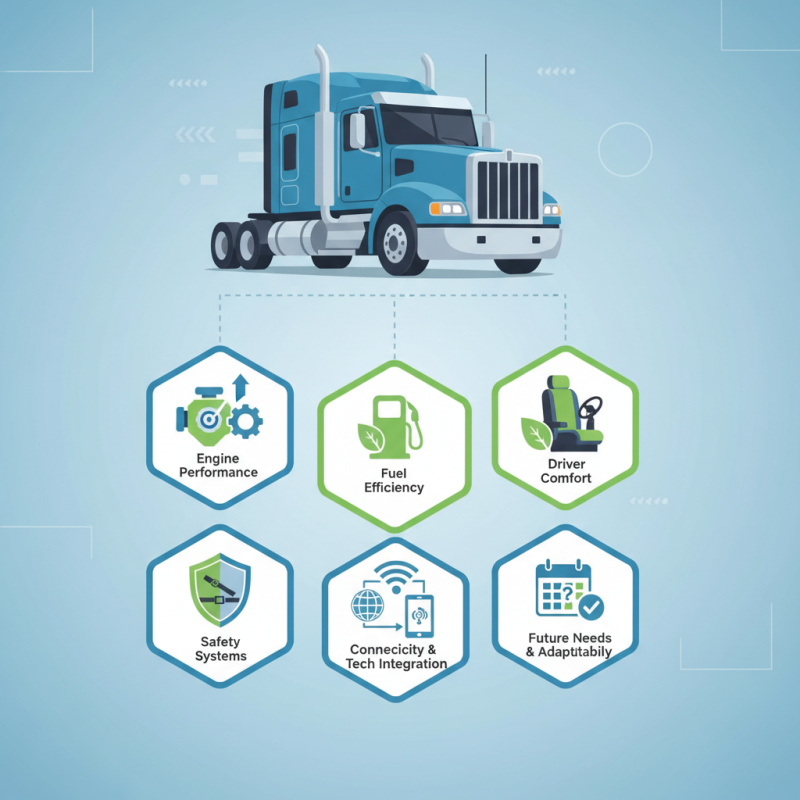
A Tractor Truck isn’t just a vehicle; it’s a powerful tool for your business. Features like engine performance, fuel efficiency, and comfort play vital roles. Each of these aspects should align with your needs and working environment. For example, a powerful engine ensures better hauling capabilities, while improved fuel efficiency saves money over time.
Buyers should also consider technology integration. Modern Tractor Trucks often have advanced safety systems and connectivity features. These elements can increase safety and productivity, but they may also come with a learning curve. It’s essential to reflect on your capability to adapt to these changes. Choosing the right Tractor Truck requires careful thought and planning, ensuring that it meets both current and future operational needs.
Key Specifications to Consider When Choosing a Tractor Truck
When choosing a tractor truck, key specifications can greatly impact performance. Look at the engine size. Often, a bigger engine provides more power, making hauling heavy loads easier. Check the torque rating, too. High torque means better acceleration, especially when you start moving.
Another important specification is the cab design. A spacious cab improves comfort during long hauls. Ergonomics matter. Look for easy-to-reach controls and sufficient storage space. Some drivers prefer a high roof for additional headroom.
Tip: Always test drive before making a decision. Feel how the truck handles. Take note of visibility and noise levels inside the cab.
Don’t overlook the transmission type. Automated systems can ease driving, especially in heavy traffic. Manual transmissions may offer better control but can be tiring. Each option has pros and cons.
Tip: Research fuel efficiency ratings. A truck that saves fuel can dramatically reduce operating costs over time. Consider maintenance history. Reliable maintenance can indicate better longevity for your truck.
Engine Performance: Power, Torque, and Fuel Efficiency Explained
When selecting a tractor truck, engine performance is vital. Power and torque directly affect how well the truck can haul heavy loads. Buyers often overlook these aspects. A powerful engine ensures efficient transportation, especially in challenging terrains. Torque is equally important; it determines how quickly the truck can accelerate under load.
Fuel efficiency also plays a crucial role. A truck that consumes less fuel reduces operating costs significantly. Many trucks promise high fuel efficiency, but real-world performance can vary. Consider factors like weight, driving conditions, and load. Some buyers focus too much on horsepower, neglecting torque and fuel economy. Understanding these nuances can prevent costly mistakes.
Engine maintenance cannot be ignored. Regular check-ups can enhance performance and longevity. Poorly maintained engines often lose efficiency over time. Look for features that assist in monitoring engine health. These details are key for long-term investment. Make informed choices by balancing power, torque, and efficiency during your buying process.
Safety Features: Ensuring Your Tractor Truck is Equipped for the Road
When it comes to tractor trucks, safety features are paramount. A well-equipped truck can mean the difference between life and death on the road. Look for systems like anti-lock brakes and traction control. These elements help maintain grip, especially in adverse weather. Airbags in the cabin provide crucial protection during a collision. They can significantly reduce the risk of injury to the driver and any passengers.
Furthermore, consider visibility enhancers. Trucks should have advanced lighting systems, including fog lights and marker lights. A wide field of vision is critical. Ensure your truck is equipped with mirrors that minimize blind spots. Lane departure warning systems are also becoming essential. They alert drivers when they drift out of their lane. Features such as these offer extra layers of caution, though they should not replace attentive driving.
Not every safety feature is perfect, and some may become outdated. Regular audits of safety systems are important. Truck technology evolves rapidly. Periodic checks can reveal flaws or needs for upgrades. Staying informed about the latest safety standards is a continuous responsibility. A proactive approach to maintaining safety features can foster a more secure driving experience.
Top Tractor Truck Features Every Buyer Should Know - Safety Features: Ensuring Your Tractor Truck is Equipped for the Road
| Feature | Description | Importance |
| Anti-lock Brake System (ABS) | Prevents wheel lock-up during braking. | Enhances stability and steering control during emergency braking. |
| Lane Departure Warning | Alerts the driver if the truck drifts out of its lane. | Reduces the risk of collisions due to driver distraction or fatigue. |
| Stability Control | Automatically applies brakes to prevent loss of control. | Improves handling during sudden turns or slippery conditions. |
| Blind Spot Monitoring | Detects vehicles in the blind spots of the truck. | Increases safety during lane changes and merges. |
| Collision Avoidance System | Uses sensors to detect obstacles and warns the driver. | Helps prevent rear-end collisions and accidents. |
| Traction Control System | Helps improve grip on slippery roads. | Enhances vehicle control in adverse weather conditions. |
| Rear Vision Camera | Provides a view of the area behind the truck. | Aids in reversing and parking safely. |
Technology Integration: Smart Features and Connectivity in Modern Trucks
Technology integration in modern tractor trucks is transforming the transportation industry. Smart features enhance efficiency and safety, making vehicles easier to operate. Connectivity options allow for real-time data sharing, which is crucial for fleet management. These advancements can reduce delays and optimize routes, leading to lower operational costs.
Many trucks now come equipped with advanced driver-assistance systems (ADAS). These systems include lane-keeping assistance and automatic emergency braking. They help drivers make informed decisions on the road, but they are not foolproof. Drivers must remain alert, as technology cannot replace human judgment.
Moreover, telematics systems provide valuable insights into vehicle performance. They monitor fuel usage, engine health, and even driver behavior. While these tools are beneficial, they require proper interpretation. Misunderstanding data can lead to poor decision-making. Buyers should ensure they understand these technologies and their implications fully.
Cost Considerations: Understanding Total Ownership and Maintenance Expenses
When choosing a tractor truck, it’s crucial to understand the total ownership and maintenance expenses. Many buyers focus solely on the initial purchase price. However, ongoing costs can significantly impact your finances. Consider insurance, fuel, and routine maintenance, which all contribute to the total cost of ownership. A truck that seems affordable upfront might incur higher expenses down the road.
Tips: Always calculate fuel efficiency accurately. A truck with higher efficiency saves money on fuel in the long run. Also, factor in potential repairs. Older models may require more frequent repairs, increasing your costs.
Another key consideration is depreciation. Most trucks lose value over time, but some models fare better than others. Research market trends to guide your choice. Understanding the resale value can help you make a more informed decision.
Tips: Maintain detailed records of all maintenance services. This ensures your truck runs efficiently and helps retain its value. Mismanagement can lead to overlooked issues and costly repairs. Always stay proactive with your truck’s care to avoid disappointment later.
Cost Considerations: Understanding Total Ownership and Maintenance Expenses of Tractor Trucks