What is Tapping Screws and How to Choose the Right Type?
Tapping Screws are essential fasteners used in various applications. They create their own threads, making them reliable for securing materials without additional components. Choosing the right tapping screw involves understanding different types and their specific functions.
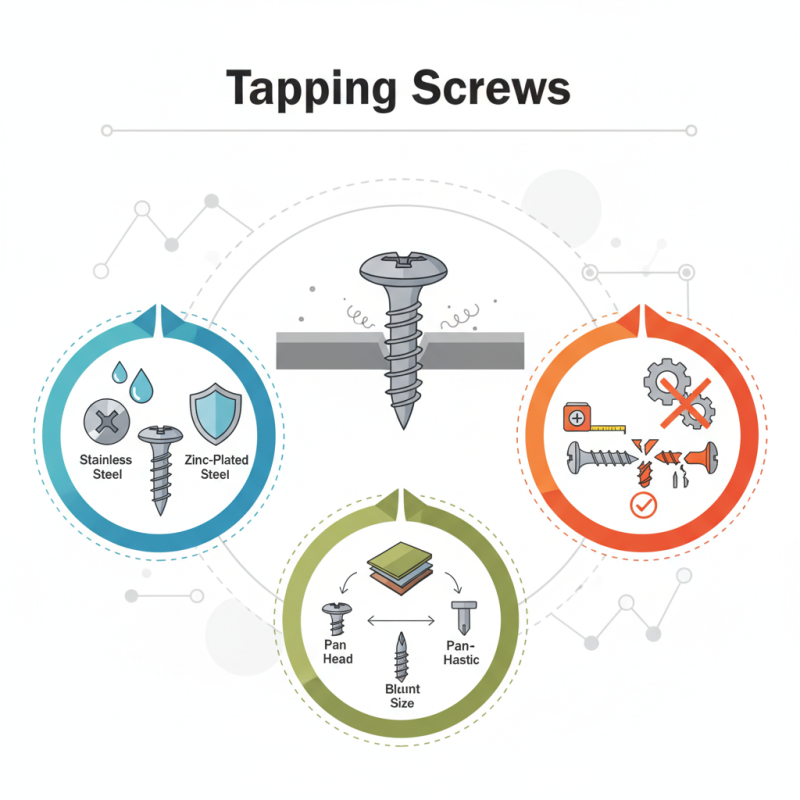
These screws come in various materials, including stainless steel and zinc-plated options. Each type offers unique properties that suit different environments and loads. Consider the material's strength, corrosion resistance, and the application’s requirements when making a selection.
It’s crucial to match the screw type with the project for effective results. Knowledge of tapping screws can enhance assembly efficiency. However, many users overlook essential factors like screw size or compatibility. This can lead to weak joints. Reflecting on choices ensures optimal results in any task involving tapping screws.
What Are Tapping Screws and Their Common Applications?
Tapping screws are specialized fasteners designed to create their own mating threads in pre-drilled holes. They have a sharp, pointed tip and spiral threads that allow them to cut into the material as they’re driven in. Common applications of tapping screws include metalwork, woodworking, and assembly of appliances, where a strong, reliable connection is essential.
In construction, tapping screws are often preferred for their superior holding power. The 2022 Fastener Industry Report states that tapping screws account for approximately 15% of the total fastener market due to their versatility and ease of use. They are crucial in situations where traditional fastening methods might fail. When selecting tapping screws, consider the material you'll be working with. Different materials require different thread types and lengths.
Tips: Always verify the screw type and thread design for your specific application. A mismatch can lead to weak joints or damaged components. It’s also essential to assess the required length; too long, and you may puncture another layer or material.
Tapping screws can sometimes strip the threads they create, especially in softer materials. This can compromise the integrity of the fastening. It's sometimes worthwhile to test on scrap material before moving to the main project. Making informed choices will ensure long-lasting and effective results.
Types of Tapping Screws: A Comprehensive Overview
Tapping screws are essential fasteners designed for creating threads in materials. Selecting the right type can be daunting, as various options exist. Each type serves different applications and materials. Understanding their characteristics aids in making an informed choice.
Self-tapping screws are among the most common types. They cut their own thread while being driven into the material. These screws work well in thin materials like metal and plastic. Machine Screws require a pre-tapped hole, making them less versatile, but they offer strong fastening in heavier applications. Wood screws, with their coarse threads, excel in wood applications, providing a secure grip.
Consideration of materials is important. Stainless steel screws resist corrosion, making them ideal for outdoor use. Zinc-plated screws offer moderate rust resistance, suitable for indoor applications. Length, head type, and thread design also matter. A wrong choice can lead to less durability. Reflect on your project requirements carefully and choose accordingly.
Key Factors to Consider When Selecting Tapping Screws
When selecting tapping screws, several key factors come into play. The material of the screw is crucial. Steel, stainless steel, and brass are common options. Each material has different strength and corrosion resistance levels. It's vital to match the screw material with the intended application to ensure longevity and reliability.
Another important consideration is the screw size. Diameter and length must be appropriate for the materials being joined. An improperly sized screw could lead to stripped threads or weak connections. Make sure to consult a size chart for guidance. Thread type is also essential. Coarse threads are ideal for softer materials, while fine threads are better for harder substrates.
Compatibility with the tools you will use is another factor. Not all tapping screws require the same drivers. Ensure your tools match the screw head type for efficient installation. This can save time and frustration during projects. Nonetheless, many choose tapping screws without fully understanding these factors. This often leads to subpar outcomes. Taking the time to choose wisely can make a significant difference in the final product.
How to Measure and Choose the Right Size for Tapping Screws
When it comes to tapping screws, selecting the right size is critical for successful installation. Tapping screws, designed to create their own threads in materials, come in various sizes. According to industry standards, the diameter and length of these screws vary widely. Common diameters range from #0 to #14, and lengths can span from 1/4 inch to several inches. Measuring requires precision. A caliper or a screw gauge can provide accurate dimensions crucial for your project.
To determine the right size, you need to consider the material you are working with. Softer materials like wood may require a larger diameter to ensure a secure hold. For metals, a smaller diameter might suffice because harder surfaces require less grip. The American National Standards Institute (ANSI) suggests that the screw's length should be at least one and a half times the thickness of the material. However, this can vary based on the application, and sometimes trial and error leads to better results. Over-tightening or under-tightening can lead to stripped threads, a common issue that calls for reflection on your chosen size, as improper fit leads to project setbacks.
Tapping Screws Size Distribution
Installation Tips for Effective Use of Tapping Screws
Tapping screws are essential for creating threaded holes in various materials. Installing them properly is crucial for a secure fit. Start by selecting the right screw for your material type. Wood, metal, and plastic require different choices. The screw's diameter and length are also vital for effective use.
Before installation, it's helpful to drive a pilot hole. A pilot hole eases the installation process by guiding the screw. Ensure the pilot hole is slightly smaller than the screw's diameter. This allows the threads to grip effectively. Applying a lubricating agent can also reduce friction.
When inserting the screw, maintain a steady pressure. Avoid over-tightening, as this can strip the threads. Use a screwdriver or a power tool designed for tapping screws. Regularly check the tightness after installation. Adjusting may be necessary over time due to material settling. Ultimately, practice makes perfect when working with tapping screws.
What is Tapping Screws and How to Choose the Right Type? - Installation Tips for Effective Use of Tapping Screws
| Screw Type | Material | Thread Size | Length (mm) | Best Use Case | Installation Tips |
| Self-Tapping | Steel | #8 | 25 | Metal to Metal | Use a pilot hole for easier installation. |
| Thread-Cutting | Stainless Steel | #6 | 30 | Thin Sheet Metal | Always apply cutting oil for smoother threading. |
| Wood Screws | Brass | #10 | 40 | Wood to Wood | Pre-drilling is recommended to prevent splitting. |
| Sheet Metal Screws | Aluminum | #12 | 20 | Attaching Sheet Metal | Ensure proper spacing between screws for stability. |