What is an Electric Ball Valve and How Does It Work?
Electric Ball Valves are crucial components in modern industrial systems. They provide efficient on-off control for various fluids and gases. According to a report by MarketsandMarkets, the electric ball valve market is projected to reach $5 billion by 2026. This growth reflects the increasing demand for automation in industries like oil and gas, chemical processing, and water treatment.
John Smith, an expert in fluid control systems, states, “Electric ball valves enhance operational reliability and minimize maintenance costs." These valves use electric actuators for precise control, making them more efficient than traditional manual valves. They offer advantages such as faster response times and reduced energy consumption.
Despite their advantages, electric ball valves may present challenges. Issues like improper installation can lead to leakage or malfunction. Understanding the operational aspects and addressing potential pitfalls is essential for maximizing their effectiveness. Ensuring proper maintenance can prevent these issues and prolong valve life. With the right approach, electric ball valves can significantly improve system performance across various applications.
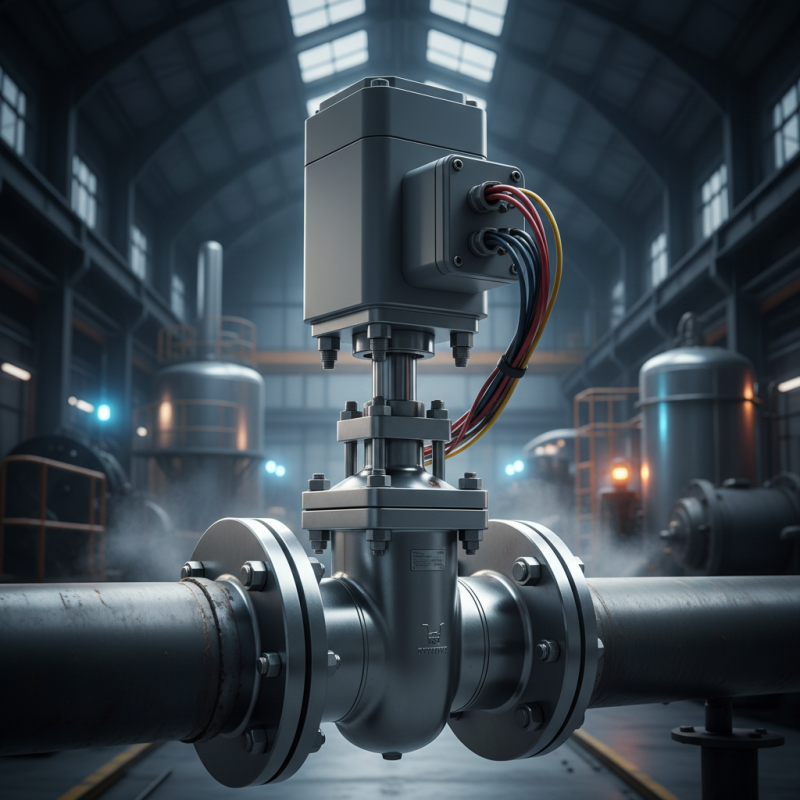
What is an Electric Ball Valve? Definition and Key Features
An electric ball valve is a crucial component in modern fluid control systems. It consists of a spherical closure element that rotates within the pipe. This rotation either opens or closes the flow path. One of the key features of electric ball valves is their automation capability. They can be easily integrated into control systems. This enhances efficiency across various industries, such as water treatment, chemical processing, and HVAC systems.
According to a recent industry report, the global electric valve market is expected to reach $7.5 billion by 2025. This growth reflects their increasing adoption due to precision and reliability. Electric ball valves are also valued for their quick operation. They can open or close within seconds, which is essential during emergencies. However, users should consider power supply dependence, which can be a drawback.
Installation complexity can also pose challenges. Proper alignment is crucial to avoid leaks and ensure functionality. While the initial investment may be higher than manual valves, long-term savings in maintenance and efficiency often justify the cost. Understanding these aspects can help industries make informed decisions about using electric ball valves in their systems.
The Working Principle of Electric Ball Valves: A Detailed Overview
Electric ball valves are essential components in various industrial applications. They control the flow of fluids with precision and efficiency. Understanding their working principle can help users appreciate their benefits.
At the heart of an electric ball valve is the ball. This sphere has a hole in the center, allowing fluid to flow when aligned with the pipe. An electric actuator controls the ball's position. When electricity is applied, the actuator rotates the ball to either open or close the valve. When the ball is parallel with the flow, it is open. When it is perpendicular, the valve is closed. This mechanism ensures quick response times and reliable operation.
Tip: Ensure that the actuator is properly wired. A common issue is incorrect wiring, which can lead to malfunction.
Electric ball valves can sometimes face challenges. For example, if the actuator fails to respond, the system may halt unexpectedly. Regular maintenance can help mitigate these issues. It’s essential to check for blockages or wear on the ball surface, as these can hinder performance.
Tip: Implement a regular inspection routine to catch potential problems early.
Incorporating electric ball valves in your system can enhance control and efficiency. However, understanding their working mechanism is key to maximizing their potential. Always stay informed about best practices in maintenance and operation.
Applications of Electric Ball Valves in Various Industries
Electric ball valves are being used in a variety of industries. Their design allows for precise control of fluid flow. This feature is crucial in sectors like water treatment and chemical processing. These valves shut off flow quickly, helping prevent leaks.
In manufacturing, electric ball valves simplify complex systems. They can adjust flow rates automatically, enhancing efficiency. For instance, they are used in food processing to handle different liquids. However, they require regular maintenance to function optimally.
Energy and power plants benefit from electric ball valves, as well. These valves regulate steam and water flow in turbines. Their reliability in high-pressure environments is essential. Yet, improper installation can lead to malfunction. This highlights the importance of ensuring correct setup.
Advantages of Electric Ball Valves Over Traditional Valve Types
Electric ball valves are gaining popularity in various industries due to their numerous advantages over traditional valve types. One notable benefit is their quick response time. According to a 2021 industry report, electric ball valves can operate 50% faster than manual valves. This speed enhances system efficiency, particularly in processes requiring rapid adjustments. Additionally, they provide precise flow control, ensuring optimal performance in complex applications.
Another key advantage is their reduced maintenance requirements. Electric ball valves typically have fewer parts than their mechanical counterparts. This simplicity translates into lower maintenance costs. A study by the Valve Manufacturers Association indicated that maintenance expenses for electric valves can be up to 30% lower over their lifecycle. However, it’s important to consider potential issues, such as power dependence. Without a reliable electricity supply, these valves may become inoperable.
Their integration into automated systems offers another layer of efficiency. Electric ball valves can easily connect to control systems, allowing for remote operation and monitoring. This capability can improve safety and reduce the risk of human error. Yet, some users have reported challenges when integrating these valves into existing systems. Compatibility and software issues can arise, requiring careful planning and execution.
Advantages of Electric Ball Valves Over Traditional Valve Types
This chart illustrates the advantages of electric ball valves compared to traditional valve types based on various criteria. The data represents a percentage of efficiency, ease of use, maintenance needs, and cost-effectiveness.
Industry Standards and Performance Metrics for Electric Ball Valves
Electric ball valves are crucial in various industrial applications. Their performance and reliability depend on adherence to industry standards. These standards ensure that valves meet specific criteria for quality and efficiency. Key metrics include flow rate, sealing ability, and response time. Properly tested valves guarantee safety during operation.
Many electric ball valves undergo stringent testing to meet performance metrics. For instance, flow characteristics must align with application requirements. The sealing mechanism must prevent leaks effectively. Even minor deviations can lead to performance issues. Engineers must consider these parameters during design.
Installation plays a role in valve efficacy. Poor installation can result in leakage or malfunction. Workers need proper training to understand these complexities. Ongoing maintenance is equally essential for long-term reliability. Observing industry standards from the outset helps mitigate these risks.
What is an Electric Ball Valve and How Does It Work? - Industry Standards and Performance Metrics for Electric Ball Valves
| Feature | Description | Benefits | Performance Metric |
| Material | Typically constructed from brass, stainless steel, or plastic. | Corrosion resistance, durability, and adaptability to various fluids. | Operating Life: > 1 million cycles |
| Actuation Type | Electric actuators are used to open and close the valve. | Quick response time and remote operation capabilities. | Response Time: < 2 seconds |
| Flow Coefficient (Cv) | Measures the valve's capacity to allow fluid flow. | Provides insight into flow capacity for system design. | Cv Range: 0.5 - 500 |
| Operating Pressure | Designed to operate under specific pressure ranges. | Ensures safe operation without leaks or failures. | Pressure Rating: Up to 600 psi |
| Temperature Range | Can function in various temperature conditions based on materials. | Versatile for different industrial applications. | Temperature Range: -20°F to 300°F |