What is a Door Hinge and How Does it Work?
A Door Hinge is a simple yet essential hardware component that allows doors to swing open and closed. It consists of two plates, or leaves, joined by a pin. This design enables the smooth movement of the door while holding it securely in place. Understanding how a door hinge works reveals its importance in everyday life.
Without the proper hinge, a door cannot function effectively. A well-functioning door hinge ensures safety and privacy. However, not all hinges are created equal. Some may wear out quickly, causing issues like misalignment or squeaking. Homeowners should choose high-quality door hinges to avoid these problems. Regular maintenance, such as oiling the hinge, can extend its lifespan.
Reflecting on our experiences with doors, we often take hinges for granted. Yet, they play a crucial role in our daily routines. When considering a door's efficiency, the door hinge is a key factor. Understanding its mechanics can help us appreciate the subtle complexity behind this everyday object.
What is a Door Hinge?
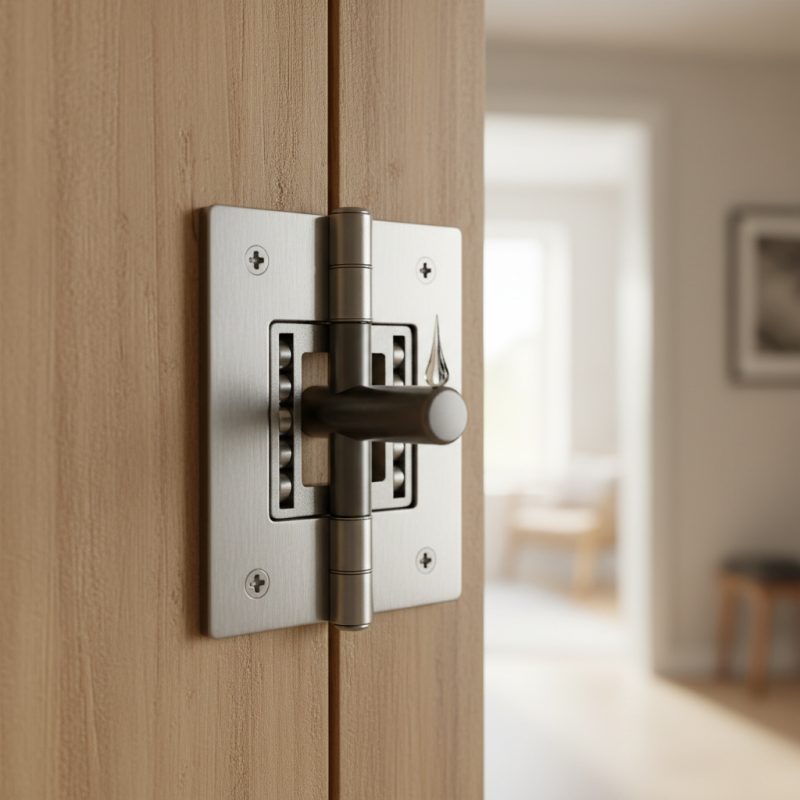
A door hinge is a critical component in every door's functionality. It allows doors to swing open and closed smoothly. Typically, they consist of two plates and a pin that connects them. This simple mechanism enables movement while bearing the door's weight. A well-designed hinge can last for many years, often exceeding 30,000 cycles of use.
Industry reports indicate that improper installation can lead to premature failures. In fact, around 40% of door issues stem from faulty hinges or misalignment. Door hinges must be chosen carefully. The material and style can significantly impact longevity and performance. Steel and brass models often provide the best durability.
However, even high-quality hinges can underperform without maintenance. Regular checks for rust or wear are crucial. Many homeowners overlook this, leading to squeaky or stiff doors. Ensuring hinges are lubricated can vastly improve their operation. As simple as they are, hinges require attention to detail for optimal functionality.
The Basic Components of a Door Hinge
A door hinge is a crucial component in any door's functionality. Understanding its basic components can enhance your knowledge of how doors operate. A typical door hinge consists of two plates, known as leaves, and a central pin. The leaves attach to the door and the door frame, while the pin allows for smooth rotation. This design is essential for the hinge's ability to bear weight and withstand continuous use.
According to reports from the American National Standards Institute (ANSI), the average door hinge experiences approximately 70,000 cycles during its expected lifespan. However, factors like material quality and installation can significantly impact longevity. Low-grade hinges may show wear after less than 20,000 cycles, leading to potential misalignment. Inspecting hinges regularly ensures they function correctly and prolongs their life.
A common issue arises with lubrication. Many people neglect this simple maintenance step. Without proper lubrication, hinges can become noisy and stiff. Reports indicate that over 40% of door hinge failures are due to inadequate lubrication. Regular checks can prevent costly replacements and maintain door functionality. Proper attention to these details fosters longevity and efficiency in door systems.
How Door Hinges Function Mechanically
Door hinges are essential components that allow doors to swing open and closed. They work through a simple yet effective mechanical system. Typically, a hinge consists of two plates, known as leaves, connected by a pin. As a door pivots, the leaves rotate around this pin, enabling smooth movement.
Over time, hinges can become stiff or squeaky. This may indicate a need for lubrication. Basic maintenance can extend the life of your hinges. Applying a bit of oil can often restore functionality. However, ignoring these signs can lead to larger issues, like misalignment or even door damage.
Hinge installation requires precision. Misaligned hinges can cause doors to stick or not close properly. Regular checks can help identify any potential problems. While installing hinges may seem straightforward, there are nuances that can trip up even experienced DIYers. Understanding the mechanics of door hinges can help in selecting the right type for your needs, ensuring that your doors operate flawlessly.
What is a Door Hinge and How Does it Work? - How Door Hinges Function Mechanically
| Hinge Type | Material | Load Capacity (lbs) | Common Applications | Mechanism |
| Butt Hinge | Steel | 100-300 | Interior doors, cabinets | Two plates connected with a pin |
| Piano Hinge | Aluminum | 50-200 | Pianos, folding doors | Continuous hinge running the full length |
| Continuous Hinge | Stainless Steel | 300-600 | Heavy doors, gates | Long hinge that supports the whole door |
| Spring Hinge | Bronze | 75-150 | Self-closing doors, bathroom stalls | Contains a spring to automatically close |
Types of Door Hinges and Their Uses
Door hinges come in various types, each serving specific purposes. The most common types include butt hinges, continuous (piano) hinges, and concealed hinges. According to the National Association of Home Builders, butt hinges are often found in residential doors. They provide a straightforward pivot point, allowing doors to swing open smoothly. These hinges are typically made from stainless steel or brass, ensuring durability.
Continuous hinges, commonly used in commercial settings, run the full length of the door. They provide added strength and support, distributing the weight evenly. A 2022 report from the Building Research Establishment noted that continuous hinges can reduce wear and tear, extending the lifespan of both the door and the frame. Their design helps prevent sagging over time, a common issue with traditional butts.
Concealed hinges, on the other hand, offer a sleek, modern look. They are hidden within the door and frame, making them ideal for custom cabinetry. These hinges can be trickier to install, especially in retrofitting situations, raising concerns about alignment. In some projects, contractors may find difficulties in achieving a perfect fit, leading to frustration. Proper planning and accurate measurements are critical. Each type of hinge has its strengths and limitations, influencing its selection in architectural designs.
Common Issues and Maintenance Tips for Door Hinges
Door hinges play a vital role in the functionality of doors. However, they can face several common issues. A recent industry report indicates that nearly 30% of households experience problems with door hinges, leading to door misalignment or squeaking. These issues often arise from neglecting regular maintenance.
Maintaining door hinges is straightforward. Regularly apply lubricant to prevent rust and ensure smooth operation. According to maintenance experts, lubricating hinges every six months can prolong their lifespan by 50%. Pay attention to signs of wear, such as excessive noise or difficulty in movement. These signals often indicate that hinges need attention or replacement.
It's important to inspect the screws holding the hinges in place. Loose screws can lead to instability. Tightening them can be a simple fix that enhances security and usability. Remember that even minor neglect can lead to bigger problems. Keeping an eye on these details can save time and money in the long run.