How to Choose the Best Agricultural Tyres for Your Needs?
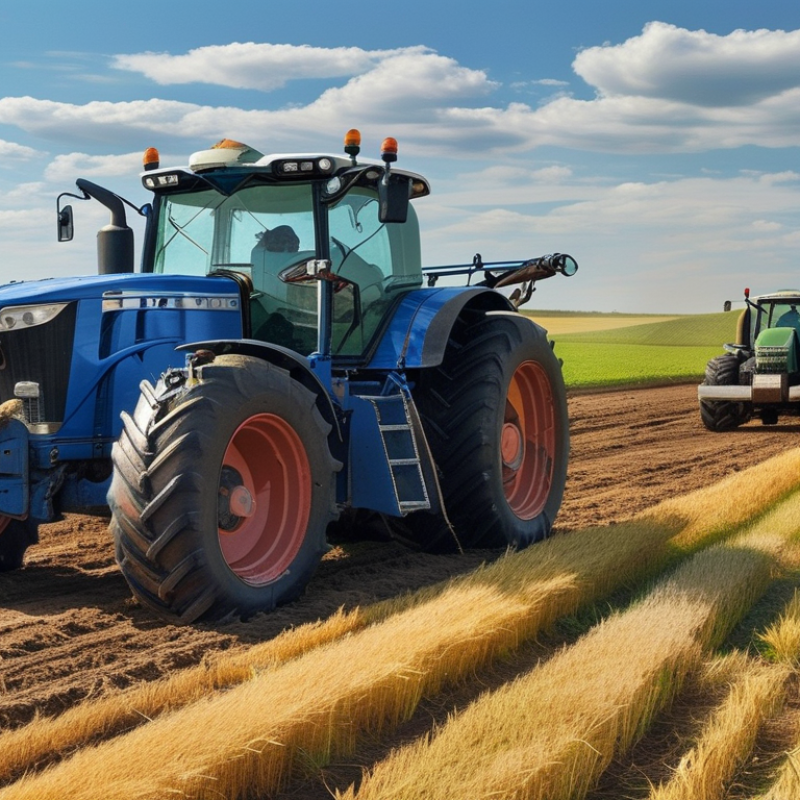
Choosing the right Agricultural Tyres is crucial for optimal farm performance. Renowned agricultural expert Dr. John Baker emphasizes, “The right tyres can drastically improve productivity.” His insights underline the importance of making an informed decision when selecting tyres.
Agricultural Tyres come in various shapes and sizes, tailored for different terrains. Farmers need to consider factors such as soil conditions, climate, and equipment type. For instance, wider tyres provide better flotation on soft ground. However, they may not suit all types of machinery.
A common mistake is overlooking the impact of tyre pressure on efficiency. Proper pressure can maximize traction and minimize soil compaction. As Dr. Baker noted, “Understanding your terrain is just as vital as tyre selection.” These considerations make it evident that choosing the best Agricultural Tyres requires thoughtful reflection and expertise.
Understanding Different Types of Agricultural Tyres Available in the Market
Selecting the right agricultural tyres is essential for optimal performance and safety. The market offers various types tailored to different farming needs.
One popular category is bias ply tyres. These are favored for their strength and shock absorption. They excel in rough terrains but may not provide the same speed as radial tyres. Radial tyres, on the other hand, deliver superior traction and fuel efficiency. They work well on smooth surfaces and are more comfortable to drive on.
When considering tyres, think about your typical working conditions. Think about load capacity and tread patterns. They influence grip and durability.
Ensure you check the tyre's sidewall markings for information on size and specifications. Pay close attention to how they perform in different environments. Reflect on your experiences with various agricultural tyres. This will help shape future decisions. Understanding these factors allows for informed choices tailored to your specific farming practices.
Evaluating the Soil and Terrain Conditions for Optimal Tyre Selection
Evaluating soil and terrain conditions is crucial when selecting agricultural tyres. Different terrains have unique demands. For instance, compacted soil requires tyres that provide excellent traction. On the other hand, sandy or loose soil may need wider surfaces to prevent sinking. Consider the specific crop you are growing. A rubber composition that works on wet clay may not perform well on dry, rocky fields.
Tyre pressure also significantly impacts performance. Higher pressure can be beneficial for hard surfaces but can damage softer soils. Finding the right balance is essential. Monitor soil compaction as it can affect crop yields. Think about your farm's layout as well. Steep hills and sharp turns require tyres that offer stability and grip.
When reflecting on past tyre choices, consider the lessons learned. Did the tyres provide adequate support? Were they durable enough for consistent use? These reflections can guide future decisions. Every landscape has its challenges. A well-considered choice will lead to improved efficiency and productivity.
Assessing the Load Capacity and Tyre Specifications for Your Equipment
Choosing the right agricultural tyres begins with understanding load capacity. Each piece of equipment has specific requirements based on the work it will perform. For instance, tractors used in heavy tilling require tyres that can handle significant loads. Overloading can lead to tyre failures and reduced performance. It’s vital to refer to the manufacturer's guidelines for each piece of equipment.
Tyre specifications play a crucial role in ensuring compatibility and efficiency. Consider the tyre's width, diameter, and tread pattern. A wider tyre can distribute weight over a larger area, minimizing soil compaction. In contrast, a narrower tyre may be better for specific tasks, like row crop cultivation. Equally important is the tread pattern; deeper treads provide better traction in muddy conditions while smoother treads are suitable for hard surfaces.
Reflecting on these factors can help avoid costly mistakes. Selecting tyres with improper specifications may lead to increased fuel consumption or uneven wear. It's essential to balance functionality with the equipment's needs. Take the time to assess your operation's specific requirements. This thoughtful approach can enhance productivity and prevent future issues.
How to Choose the Best Agricultural Tyres for Your Needs?
This chart illustrates the load capacity and specifications of various agricultural tyre types, helping you assess which one would suit your equipment best.
Considering Seasonal Factors and Climate Impact on Tyre Performance
When selecting agricultural tyres, seasonal factors and climate impact are crucial. Tyres perform differently in wet and dry conditions. For instance, in muddy terrains, tread depth and design significantly affect traction. A report by the International Journal of Agricultural Engineering indicates that inappropriate tyre selection can reduce productivity by up to 30%. Thus, understanding the climate where the equipment operates is vital.
Winter conditions present unique challenges. In snowy areas, tyres with specialized tread patterns improve grip and stability. Conversely, in arid climates, heat can cause tyre wear. The American Society of Agricultural and Biological Engineers emphasizes that temperature fluctuations can alter tyre pressure, affecting performance. Seasonal variations require farmers to adapt their tyre choices.
Each environment has distinct demands. Farmers must balance between durability and flexibility. They should consider investing in dual-purpose tyres that can handle both soft and hard terrains. While this might seem practical, the challenge lies in predicting future weather patterns. Seasonal unpredictability can make it difficult to make an informed decision. Therefore, continuous monitoring of both climatic trends and tyre performance is essential for optimal results.
Budgeting: Balancing Cost and Quality When Choosing Agricultural Tyres
When selecting agricultural tyres, budgeting is crucial. It’s easy to be tempted by lower prices, but this may compromise quality. Cheaper tyres often wear out faster, leading to more frequent replacements. These hidden costs can exceed initial savings and disrupt your farming operations.
Evaluate the type of work your tyres will face. Heavy-duty tasks may require sturdier options. Investing in durable tyres can enhance productivity and reduce downtime. Price shouldn’t be the only deciding factor. Consider long-term performance and reliability. Even well-made tyres might fail if misused or incorrectly maintained.
Finding the right balance is tricky. Assess your specific needs and the workload of your equipment. Understanding your soil type, weather conditions, and crop demands can guide your choice. Also, consider the advice of fellow farmers for real-world insights. Their experiences can reveal hidden advantages or potential pitfalls of different tyre options.