2026 Best Steel Pipe Buying Guide for Global Importers?
In today's global market, choosing the right Steel Pipe can be overwhelming. With various types and specifications available, importers face unique challenges. Steel pipes are crucial for construction, infrastructure, and industrial applications. Their reliability and durability make them essential components in many projects.
Understanding the specifications and standards is vital. Buyers must navigate terms like seamless, welded, and alloyed steel. Each type serves different needs. In this guide, we aim to simplify the selection process. We will provide insights into what to consider when purchasing steel pipes.
Yet, it is important to acknowledge the complexities involved. Factors like market fluctuations and regional regulations can impact decisions. Importers should remain vigilant and informed. Making a hasty choice can lead to costly mistakes. This guide is designed to help you reflect on your options and make better-informed decisions regarding steel pipe purchases.
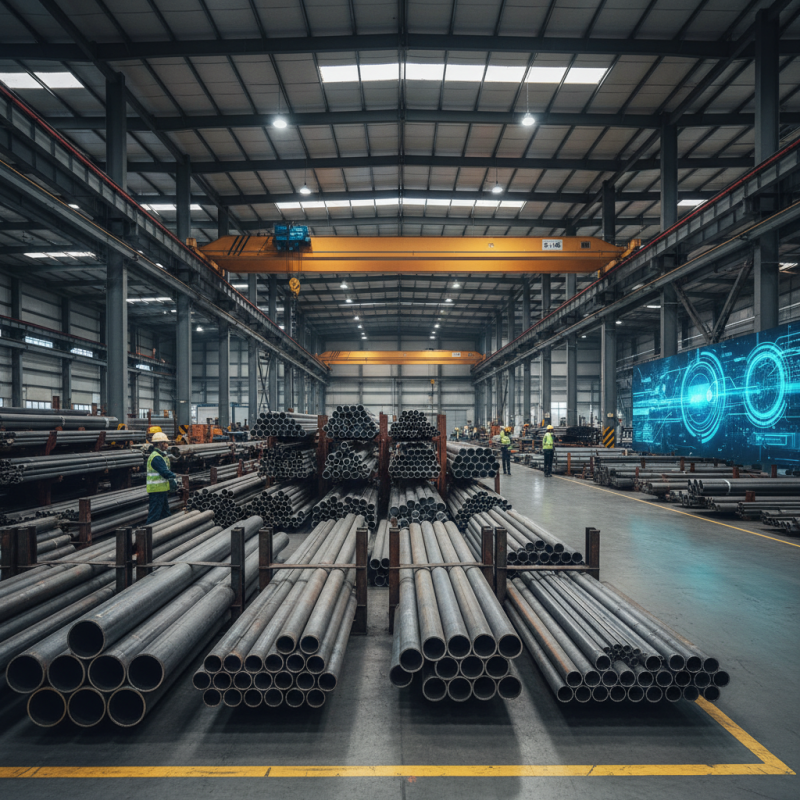
Understanding Different Types of Steel Pipes for Importers
When importing steel pipes, understanding their various types is essential. Steel pipes come in different grades and specifications, affecting their strength and durability. For instance, seamless pipes are often preferred for high-pressure applications. Their lack of welds makes them less prone to failure. Welded pipes, on the other hand, are generally more affordable but may not withstand extreme conditions as well.
Consider the materials used in production. Carbon steel pipes are common for construction and industrial projects. Stainless steel options offer corrosion resistance, making them ideal for environments with moisture. Importers should evaluate the specific needs of their projects before making a decision. A mismatch can lead to costly mistakes.
Keep in mind that the quality of steel pipes varies globally. Standards differ from country to country, affecting the reliability of products. It's prudent to request certifications and test reports from suppliers. This step ensures that the pipes meet necessary safety and performance requirements. Always conduct thorough due diligence before finalizing purchases. Understanding these factors is vital for successful importing.
Key Specifications to Consider When Buying Steel Pipes
When purchasing steel pipes, understanding key specifications is crucial. Importers should focus on dimensions, wall thickness, and pipe grades. Dimensions determine how pipes fit into existing systems. Measurements are often given in inches or millimeters. Accuracy in these details is non-negotiable. Wall thickness directly impacts strength and durability. Thicker pipes can withstand higher pressures but may also be heavier and more expensive.
Pipe grades indicate material quality and intended use. Different grades cater to specific applications. For example, some grades resist corrosion better than others. Buyers must assess environmental factors influencing the pipe's lifespan. It's also vital to consider certifications. Compliance with international standards guarantees reliability and safety.
Additionally, importers should be aware of the potential for discrepancies in specifications. Sometimes, suppliers may not meet every detail as advertised. This highlights the need for due diligence. Double-checking certifications and seeking independent verification may save costly mistakes later on. Always remember, quality should never be compromised for a lower price. Making informed decisions leads to better outcomes in the long run.
2026 Steel Pipe Specifications Comparison
Evaluating Supplier Credentials and Reliability for Steel Pipe Purchases
When purchasing steel pipes, evaluating supplier credentials is crucial. Reliable suppliers should have a proven track record and industry experience. Look for certifications and quality assurance processes. Supplier assessments can reveal strengths and weaknesses. Make an informed decision based on these insights.
Tips: Always check online reviews or ratings. They provide real feedback from other buyers. Engage directly with suppliers to gauge their responsiveness. Effective communication reflects professionalism.
Another important aspect is supply chain reliability. Suppliers must ensure timely delivery and consistent product quality. Investigate their logistics capabilities. Delays can affect your projects and raise costs. Consider the supplier's history of meeting deadlines.
Tips: Request references to verify a supplier’s credibility. Speak with past clients about their experiences. Consistent issues should raise red flags. Weigh the benefits against potential risks for better decisions.
Cost Analysis: Factors Affecting Steel Pipe Prices in International Markets
Understanding the factors affecting steel pipe prices is crucial for global importers. Various elements contribute to these fluctuations. According to the International Steel Association, raw material costs account for over 60% of steel pipe pricing. This includes iron ore, scrap metal, and energy prices. In recent reports, energy costs surged due to geopolitical tensions, causing noticeable price increases.
Supply chain dynamics also play a significant role. Data from the World Trade Organization highlights that transportation costs rose by approximately 30% in the past year. Delays and disruptions in shipping impact pricing structures. Importers must navigate these uncertainties. Tariffs and trade policies introduce additional risks. Documentation and compliance issues can delay shipments, further contributing to cost evaluations.
Market demand variability cannot be overlooked. The American Iron and Steel Institute reported a 15% rise in demand for steel pipes in the construction sector alone. Such spikes influence market prices, compelling importers to be agile and informed. Constant monitoring of these factors will enable strategic purchasing. Awareness of emerging trends is essential for optimizing costs.
Logistics and Shipping Considerations for Imported Steel Pipes
When considering the logistics and shipping of steel pipes, importers must navigate various complexities. The global steel pipe market is vast, producing 512 million tons in 2021 alone. Efficiency in transportation can significantly affect overall costs and project timelines. Hydrocarbon pipelines, for example, often face strict regulations that can impact shipping schedules. Adhering to international compliance standards is crucial for avoiding costly delays.
To optimize logistics, importers should keep track of tariffs and duties. The World Trade Organization reported that tariffs can reach up to 25% for certain steel products. It’s vital to research and understand these factors before ordering. Building relationships with reliable freight forwarders can also ease shipping challenges and provide insights into local regulations.
**Tip:** Communicate clearly with suppliers about expected lead times. This will help align schedules and reduce friction.
Packaging is another key aspect. Steel pipes must be securely packaged to prevent damage during transit. According to industry standards, proper cushioning can minimize breakage rates by up to 30%. This consideration, while sometimes overlooked, can lead to substantial cost reductions. Importers should not underestimate the impact of logistics on their bottom line.
2026 Best Steel Pipe Buying Guide for Global Importers
| Pipe Diameter (inches) | Steel Grade | Wall Thickness (mm) | Length (meters) | Weight (kg/m) | Price (USD/m) | Shipping Cost (USD) |
| 2 | API 5L Grade B | 3.2 | 6 | 8.5 | 50 | 20 |
| 4 | API 5L X42 | 4.0 | 6 | 14.6 | 70 | 25 |
| 6 | ASTM A53 Grade B | 5.0 | 6 | 22.3 | 100 | 30 |
| 8 | API 5L X52 | 7.0 | 12 | 30.0 | 130 | 45 |
| 10 | ASTM A500 Grade B | 8.0 | 12 | 40.0 | 150 | 50 |